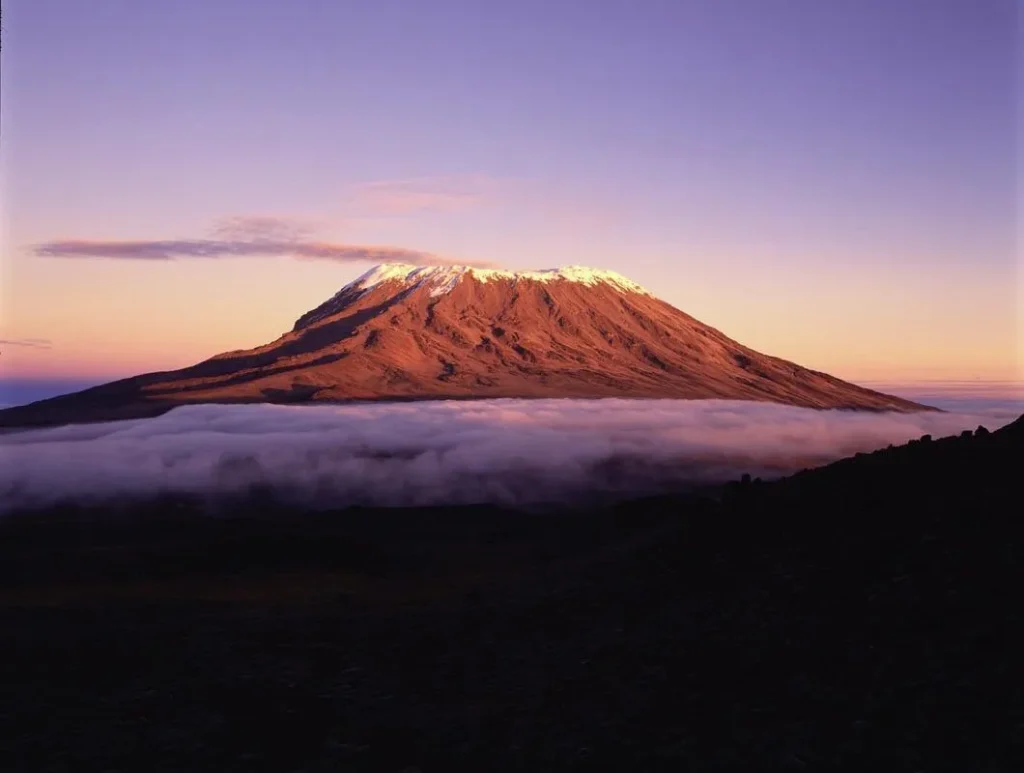
6 Days Kilimanjaro Climbing – Rongai Route
Climbing OVERVIEW
This 6-day Rongai Route itinerary offers a quiet and scenic ascent of Mount Kilimanjaro from the northern side, ideal for gradual acclimatization. Trekkers pass through lush forest, open moorland, alpine desert, and remote high-altitude landscapes with stunning views of Kibo and Mawenzi Peaks. The route provides excellent summit success rates, peaceful camps, and diverse ecosystems. Reaching Uhuru Peak at sunrise is the ultimate reward before descending through changing terrain back to Rongai Gate.
Day 1: Rongai Gate to Simba Camp
The trek begins at Rongai Gate on Kilimanjaro’s northern side, entering a serene forested landscape rarely crowded by trekkers. The trail gently ascends through lush vegetation, moss-covered trees, and occasional wildlife sightings, offering an easy introduction to the mountain. Simba Camp sits amidst a tranquil environment, perfect for resting and acclimatizing. Guides provide a detailed briefing about the route ahead, emphasizing pacing, hydration, and altitude awareness. Enjoy a hearty meal prepared by your team and soak in the peaceful surroundings. Early rest is encouraged to prepare for the moderate ascent toward Second Cave the following day. The forest night is quiet and refreshing.
Day 2: Simba Camp to Second Cave Camp
Today’s hike gradually climbs through the forest zone into moorland, marking the transition to higher altitudes. The trail passes unique flora, including giant heathers and groundsel plants, while panoramic views of Kibo and Mawenzi Peaks emerge in the distance. Second Cave Camp is nestled near rock formations, providing a picturesque spot to relax and acclimatize. Guides focus on altitude education, hydration, and pacing strategies to prevent sickness. A warm dinner and brief evening walk allow trekkers to absorb the alpine landscape. The camp’s location offers clear views of the sunset over Kilimanjaro, a perfect introduction to the mountain’s breathtaking highland scenery.
Day 3: Second Cave Camp to Kikelewa Caves Camp
Ascending steadily, trekkers leave moorland behind, entering alpine desert zones with sparse vegetation and dramatic rocky terrain. The trail offers increasing panoramic views of Kibo Peak and surrounding valleys. Kikelewa Caves Camp provides a scenic resting point, ideal for acclimatization and preparation for the summit push. The route allows hikers to witness Kilimanjaro’s changing ecosystems, from forested valleys to high-altitude desert landscapes. Guides emphasize nutrition, hydration, and gentle pacing to conserve energy. Evening discussions cover summit strategies, proper layering for cold temperatures, and what to expect during the night ascent. Clear skies often reveal stunning starlit panoramas, enhancing the trekking experience.
Day 4: Kikelewa Caves Camp to Mawenzi Tarn Camp
This day involves a steady climb through the remote alpine desert, where the trail becomes rockier and temperatures drop. The vast, open landscape highlights Kibo’s glaciated summit and Mawenzi’s rugged peaks. Mawenzi Tarn Camp, located near a small tarn, offers breathtaking scenery for afternoon relaxation. Guides provide essential altitude tips, reminding climbers to monitor oxygen levels, rest frequently, and maintain hydration. The evening briefing focuses on summit timing, pacing strategies, and contingency planning for weather changes. Campers enjoy a nutritious dinner and rest early, preparing for the challenging night climb. The tranquility of this high-altitude environment creates a unique sense of solitude and awe.
Day 5: Summit Day – Mawenzi Tarn to Uhuru Peak and Barafu Camp
The summit attempt begins around midnight under clear, cold skies. The trail ascends steep scree slopes toward Stella Point, with guides supporting pacing and encouragement. Reaching Stella Point, climbers continue along the crater rim to Uhuru Peak, Africa’s highest point, for a sunrise view over the continent. After celebrating the achievement, the descent begins toward Barafu Camp for rest and a warm meal. The climb is physically demanding, requiring focus, determination, and efficient energy management. Barafu Camp provides basic shelter for recovery. Guides ensure climbers remain hydrated and monitor health, offering reassurance and support after the summit’s strenuous effort.
Day 6: Barafu Camp to Rongai Gate
The final day involves a gradual descent from Barafu Camp through alpine desert, moorland, and forest zones back to Rongai Gate. Trekking downhill offers relief for tired muscles while providing opportunities to observe the mountain’s diverse ecosystems one last time. Guides lead the group safely through rocky paths and forested trails, ensuring proper pacing and injury prevention. Arrival at Rongai Gate marks the completion of the climb, where climbers receive certificates celebrating their achievement. Transport back to your lodge or hotel allows time for rest and reflection. The descent showcases Kilimanjaro’s beauty in a different light, highlighting the contrast between high-altitude peaks and lush lower slopes.
Included
- Porterage
- Climbing gear
- Park fees(For non-residents)
- All activities(Unless labeled as optional)
- All accommodation(Unless listed as upgrade)
- A professional driver/guide
- All transportation(Unless labeled as optional)
- All Taxes/VAT
- Roundtrip airport transfer
- Meals(As specified in the day-by-day section)
- Drinking water(On all days)
Excluded
- Rescue fee
- International flights(From/to home)
- Additional accommodation before and at the end of the tour
- Tips(Tipping guideline US$15.00 pp per day)
- Personal items(Souvenirs, travel insurance, visa fees, etc.)
- Government imposed increase of taxes and/or park fees